
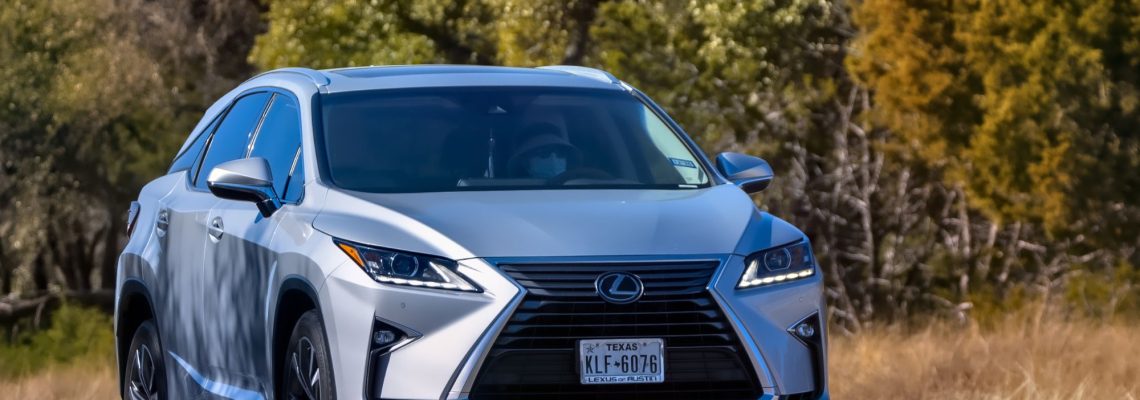
There was a time when the Australian family car was easy to recognise.
It was big, usually had a generous boot, probably had a bench seat somewhere in its history, and on a summer road trip there was a fair chance the kids were arguing in the back while Dad insisted there was absolutely no need to stop yet.
The Australian Family Car has always been about practicality and space for families on the go.
From Holden Kingswoods and Ford Falcons to Commodores, station wagons and today’s SUVs, hybrids and electric vehicles, the cars parked in Australian driveways have changed dramatically over the past 50 years.
Here in Victoria, where a car can take you from Melbourne traffic to winding Gippsland roads and country highways in the space of a few hours, our vehicles have always been an important part of everyday life.
So, what happened to the great Aussie family car?
Today, the Australian Family Car still represents the essence of family travel and adventure.
When the Kingswood Ruled the Driveway
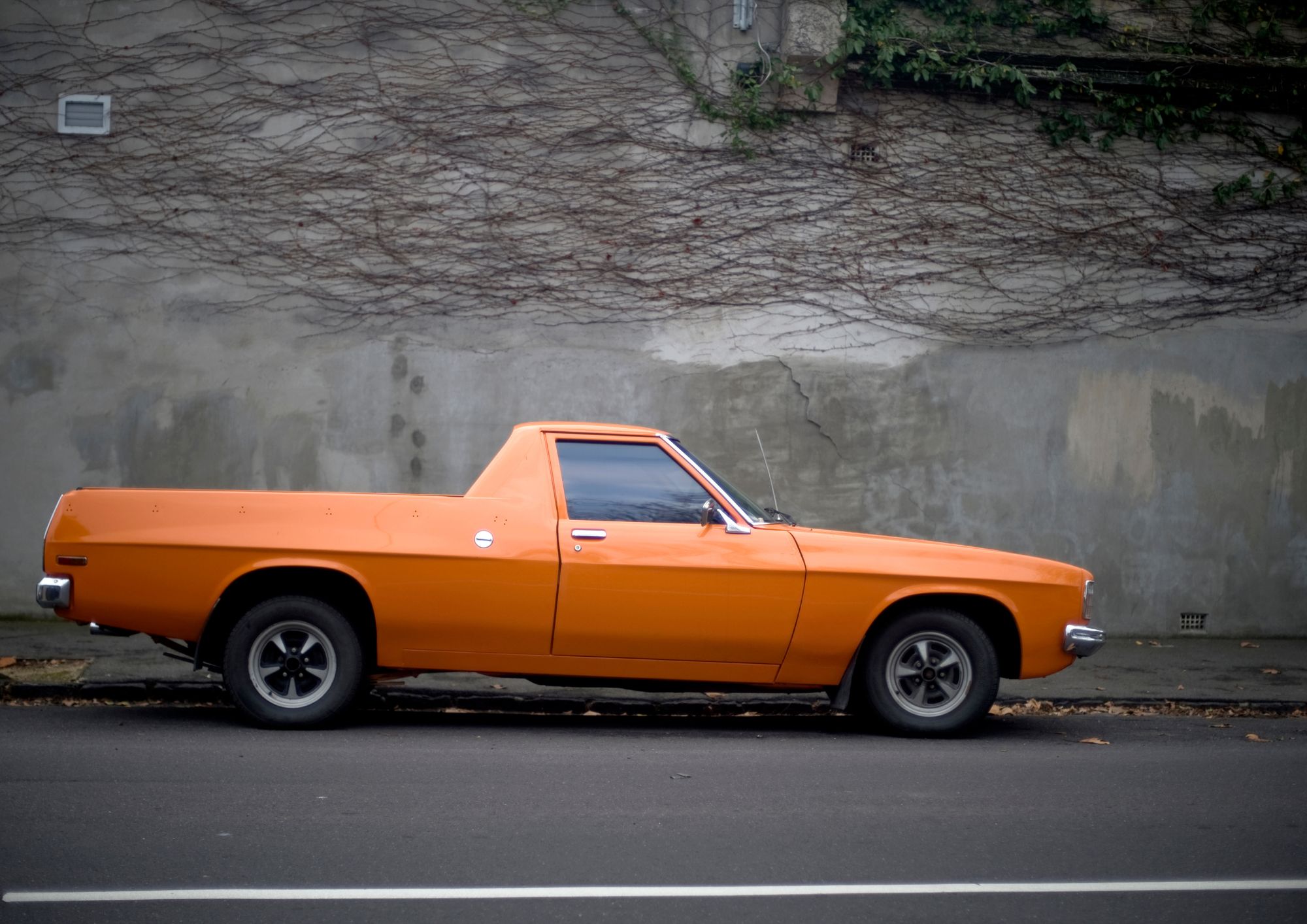
For many Australians, the Holden Kingswood represents a very particular era of motoring.
For many, the Australian Family Car is synonymous with memories of road trips and family bonding.
Big, simple and unmistakably Australian, Kingswoods became a familiar sight on suburban streets and country roads throughout the 1970s.
There were no reversing cameras, touchscreen displays or lane departure warnings. Air conditioning wasn’t necessarily something you could take for granted either.
Every Australian Family Car tells a story of journeys and experiences shared on the open road.
Family entertainment generally involved the radio, conversation, playing games or repeatedly asking, “Are we there yet?”
And navigation?
That involved an actual paper map, usually folded incorrectly in the glovebox.
The Australian Family Car has evolved, but its core purpose remains unchanged – serving families.
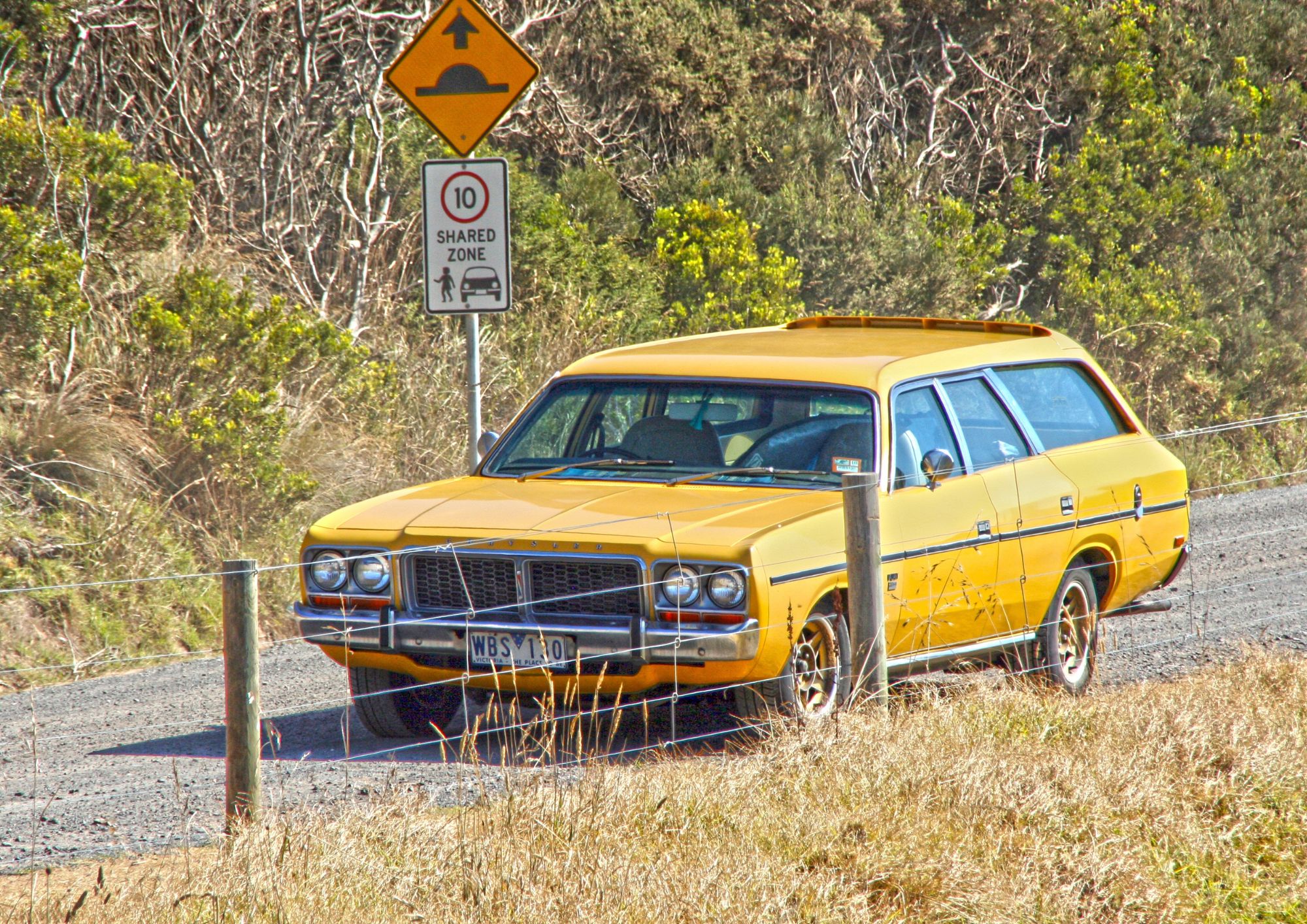
The Kingswood wasn’t alone. Ford Falcons, Chrysler Valiants and other large sedans and wagons helped define Australian motoring during this period.
Then Came the Falcon and Commodore Era
For decades, one of the great Australian automotive debates had nothing to do with electric versus petrol.
It was Holden versus Ford.
Families often had surprisingly strong allegiances.
You weren’t simply buying a Commodore or Falcon. In some households, you were choosing a side.
Choosing the right Australian Family Car has always been a significant decision for many households.
The Holden Commodore arrived in Australia in 1978 and would go on to become one of the country’s most recognisable vehicles. Ford’s Falcon had already established itself as another Australian favourite.
Both evolved enormously over subsequent decades.
They became safer, faster, more comfortable and increasingly sophisticated, while still maintaining the large sedan and wagon format Australian families loved.
Ultimately, the Australian Family Car continues to adapt to the changing needs of modern families.
For countless Victorians, these cars were responsible for school runs, family holidays, towing caravans, weekend sport and thousands of kilometres of everyday driving.
Remember the Family Station Wagon?
Before SUVs became the default family vehicle, Australia loved the station wagon.
The traditional Australian Family Car, like a station wagon, has a unique appeal that many still cherish.
The wagon offered something incredibly practical: loads of room without needing a large four-wheel drive.
You could fit luggage, sporting equipment, shopping and seemingly half the contents of your house into the back.
Long before today’s powered tailgates and configurable cargo systems, families became experts at squeezing everything into a Commodore or Falcon wagon before heading away for Christmas holidays.
For regional families in places such as Gippsland, station wagons were particularly practical because they combined passenger comfort with plenty of carrying capacity.
But eventually, something changed.
Australia Fell in Love With the SUV
The rise of SUVs has transformed the concept of the Australian Family Car but the essence remains.
Walk through almost any Victorian shopping centre car park today and you’ll immediately notice the difference.
SUVs are everywhere.
Small SUVs, medium SUVs, seven-seat SUVs, luxury SUVs and serious four-wheel drives have increasingly taken the place once occupied by traditional family sedans and station wagons.
Why?
For many families, SUVs offer the combination they want: a higher seating position, flexible cargo space, easy access and a wide choice of sizes.
Manufacturers responded accordingly.
As Australians bought more SUVs, manufacturers offered more of them, giving buyers an enormous range of options.
The classic Australian family sedan gradually lost its position at the centre of the driveway.
The End of Australian Car Manufacturing Changed Everything
The closure of Australia’s large-scale passenger vehicle manufacturing industry represented a major turning point.
The end of local manufacturing has changed the landscape for the Australian Family Car.
Ford ended local vehicle manufacturing in 2016, while Holden followed in 2017.
Suddenly, the Falcon and locally manufactured Commodore were part of Australian automotive history rather than the next new car waiting in the showroom.
For Australians who grew up with Holden-versus-Ford rivalry, it was the end of an extraordinary era.
Today, Australia’s new-car market looks completely different.
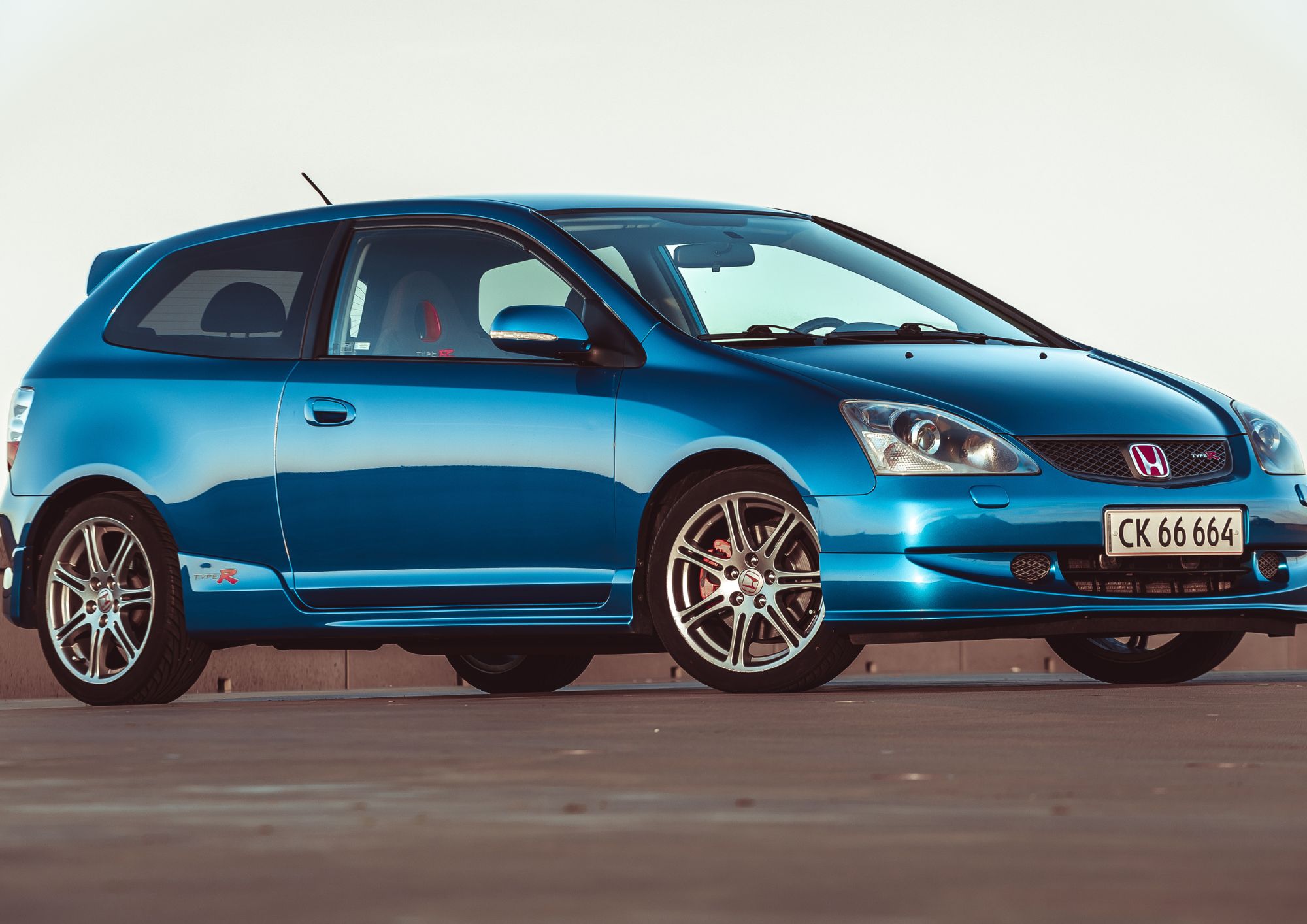
Vehicles arrive from manufacturers around the world, and Australians have access to brands, technology and vehicle types that would have seemed remarkably futuristic during the Kingswood era.
Now We’re Plugging Our Cars Into the Wall
Perhaps nothing demonstrates how much motoring has changed more clearly than the rise of electric vehicles.
Imagine explaining to a Kingswood owner in 1975 that one day Australians would come home, plug their car into the house and charge it overnight.
Electric vehicles are becoming increasingly visible on Victorian roads, alongside hybrids and plug-in hybrids.
Tesla helped make EVs mainstream, while manufacturers including Hyundai, Kia, BYD, MG and many established automotive brands now offer electrified vehicles.
Electric vehicles are now part of the conversation about the future of the Australian Family Car.
For drivers, it means an entirely new vocabulary.
Instead of discussing carburettors and litres per 100 kilometres, we’re now talking about battery capacity, regenerative braking, charging speeds and driving range.
Our Windscreens Have Changed Just as Much
Interestingly, one of the biggest technological transformations is sitting directly in front of the driver.
The humble windscreen has become considerably more sophisticated.
The windscreen in a Kingswood essentially needed to provide protection and a clear view of the road.
Today’s Australian Family Car integrates technology that enhances safety and convenience.
Today’s windscreen can be part of a much larger network of vehicle technology.
Many modern cars have cameras and sensors positioned around the windscreen that support Advanced Driver Assistance Systems (ADAS).
These systems can assist with functions such as lane departure warnings, automatic emergency braking, adaptive cruise control and traffic sign recognition.
Some vehicles also incorporate rain sensors, heating elements, acoustic glass and head-up display technology.
It’s a long way from the family station wagon.
Even Replacing a Windscreen Has Changed
Years ago, replacing a windscreen was primarily about replacing damaged glass and correctly fitting the new windscreen.
Even the process of maintaining an Australian Family Car has become more complex over time.
That’s still important, but modern vehicles can add another step.
If a vehicle has a windscreen-mounted ADAS camera, calibration may be required following windscreen replacement.
This ensures the associated camera system is correctly aligned according to the vehicle’s requirements.
It’s a perfect example of how technological changes in cars have also changed the work involved in maintaining and repairing them.
What’s Next for the Australian Family Car?
The future of the Australian Family Car is likely to include more connectivity and smart technology.
If the past 50 years have taught us anything, it’s that predicting the future of motoring isn’t easy.
We have already gone from Kingswoods and Falcons to SUVs capable of monitoring road markings, automatically applying brakes and running partly or entirely on electricity.
Future cars may bring even more advanced driver assistance, improved battery technology, greater connectivity and windscreens capable of displaying increasingly sophisticated information directly in front of the driver.
But some things probably won’t change.
We’ll still load up the car for family holidays.
We’ll still complain about traffic.
We’ll still debate which cars are best.
Ultimately, the Australian Family Car will continue to be a cornerstone of family life.
And somebody in the back seat will probably still ask:
“Are we there yet?”
Looking After Yesterday’s Classics and Today’s Modern Cars
Whether you drive a much-loved older vehicle, a family SUV, a work ute, a hybrid or one of the latest electric cars, your windscreen remains an essential part of your vehicle.
Gippsland Windscreens provides windscreen repairs, windscreen replacements, auto glass services and ADAS calibration for motorists throughout Warragul, Drouin and surrounding areas.
Regardless of changes, the Australian Family Car remains vital for transporting loved ones safely.
Cars may have changed enormously since the days of the Kingswood, but keeping a clear, safe view of the road ahead never goes out of style.
Frequently Asked Questions
When did Holden stop manufacturing cars in Australia?
Holden ended Australian vehicle manufacturing in October 2017, marking the end of decades of local Holden production.
When did Ford stop making cars in Australia?
Ford ended Australian vehicle manufacturing in October 2016 after producing vehicles locally for more than 90 years.
Why did SUVs replace family sedans and station wagons?
Many Australian buyers shifted towards SUVs because of their higher seating position, flexible interior space, cargo capacity and wide variety of sizes. As demand increased, manufacturers introduced even more SUV models.
The ongoing evolution of the Australian Family Car reflects broader changes in society and technology.
Are windscreens different on modern cars?
Yes. Many modern windscreens work alongside cameras, sensors and other technology. Some also incorporate features such as rain sensors, acoustic glass, heating or compatibility with head-up displays.
Why might ADAS calibration be needed after windscreen replacement?
If an ADAS camera is mounted on or positioned behind the windscreen, replacing the glass can affect its positioning. Depending on the vehicle manufacturer’s requirements, calibration may be necessary after replacement to ensure the system is correctly aligned.
As we look ahead, the Australian Family Car will continue to adapt to meet the needs of future generations.