
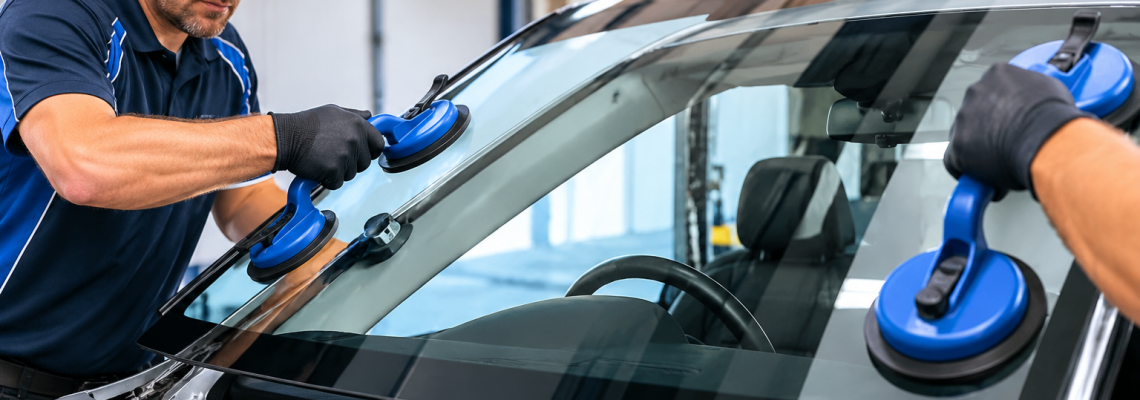
Driving after windscreen replacement isn’t always as simple as collecting your keys and heading straight back onto the road. While your new windscreen may look perfectly installed, the adhesive holding it securely in place needs sufficient time to develop the strength required for safe driving.
For motorists throughout Gippsland, understanding windscreen adhesive curing times, safe drive-away recommendations and correct installation procedures is essential for protecting both your vehicle and its occupants.
At Gippsland Windscreens, we understand that getting back on the road quickly is important, whether you’re commuting to work, travelling between regional towns or preparing for a longer journey. However, when it comes to windscreen replacement, safety should always come before convenience.
1. Why Does Windscreen Adhesive Need Time to Cure?
Modern vehicle windscreens are generally bonded directly to the vehicle body using a specialised automotive polyurethane adhesive.
Unlike ordinary household glue, windscreen adhesive is engineered to provide a strong, durable bond that can withstand everyday driving conditions, vehicle movement and environmental exposure.
Once the windscreen is installed, the adhesive begins curing. During this process, it develops the strength needed to secure the glass properly.
The adhesive bond contributes to several important safety functions:
- Keeping the windscreen securely attached to the vehicle.
- Supporting the vehicle’s structural integrity as designed.
- Helping maintain the correct operation of safety systems, including airbags where applicable.
- Preventing water and air leaks around the glass.
- Maintaining a durable seal during everyday driving.
Although the windscreen may appear secure immediately after installation, the adhesive may not yet have reached its required safety strength.
2. How Long Should You Wait Before Driving After Windscreen Replacement?
One of the most common questions motorists ask is how long they need to wait before driving their vehicle.
The answer depends on the adhesive system used, the vehicle and the environmental conditions during installation.
Some modern automotive adhesives have a manufacturer-specified minimum safe drive-away time of approximately 30–60 minutes under qualifying conditions. Other products or conditions require several hours or longer.
There is no universal waiting period that applies to every windscreen replacement.
The installer must follow the adhesive manufacturer’s instructions and determine when the required minimum strength has been achieved.
What affects safe drive-away time?
| Factor | Why it matters |
|---|---|
| Adhesive type | Different products have different curing characteristics |
| Temperature | Colder conditions can slow curing |
| Humidity | Moisture-curing adhesives respond to humidity levels |
| Vehicle design | Airbag and structural requirements can influence the approved time |
| Installation conditions | Correct preparation and application affect bond performance |
Importantly, the minimum safe drive-away time is not necessarily the same as the time required for the adhesive to cure fully.
Always follow the specific instructions provided by your windscreen installer.
3. What Happens If You Drive Too Soon?
Driving before the adhesive reaches its required safety strength can compromise the installation.
Even normal driving places forces on a vehicle’s body and glass through acceleration, braking, cornering and uneven road surfaces.
If the adhesive bond has not developed sufficient strength, premature driving may increase the risk of:
- Windscreen movement or an inadequate bond.
- Water leaks developing around the glass.
- Wind noise caused by sealing problems.
- Reduced performance of the windscreen bond during a collision.
- Compromised support for safety systems that rely on the bonded glass.
For Gippsland motorists travelling on regional roads, where road surfaces and driving conditions can vary considerably, following the recommended safe drive-away time is particularly important.
4. Your Windscreen Is Part of Your Vehicle’s Safety System
Many drivers think of their windscreen primarily as protection from wind, rain, insects and road debris.
However, modern windscreens do considerably more.
The bonded windscreen can contribute to vehicle body stiffness and occupant protection during a collision.
In some vehicles, the passenger-side airbag also relies on the windscreen and its bonding system to help guide deployment correctly.
This means a poorly bonded windscreen may affect more than visibility.
Why correct installation matters
Professional windscreen replacement involves more than removing damaged glass and fitting a new one.
Correct procedures may include:
- Carefully removing the damaged windscreen without damaging the surrounding bodywork.
- Inspecting the windscreen aperture for corrosion or damage.
- Preparing the bonding surfaces according to the adhesive manufacturer’s requirements.
- Applying the correct adhesive system and bead.
- Positioning the replacement windscreen accurately.
- Allowing sufficient time for the adhesive to achieve minimum safe drive-away strength.
- Checking the installation and addressing any applicable camera calibration requirements.
Following these procedures helps ensure the replacement windscreen performs as intended.
5. Why Gippsland’s Weather Can Affect Windscreen Installation
Gippsland experiences a variety of weather conditions throughout the year, from cold winter mornings and damp conditions to warmer summer temperatures.
These environmental changes can influence windscreen adhesive curing.
Cold weather
Lower temperatures can slow the curing process of some automotive adhesives. Depending on the product, additional waiting time or controlled installation conditions may be required.
Humid or wet conditions
Many automotive polyurethane adhesives cure through a reaction with moisture. However, this doesn’t mean that rain or excessive surface moisture is beneficial.
Correct surface preparation and compliance with the adhesive manufacturer’s instructions remain essential.
Hot weather
Warmer temperatures may accelerate curing for certain adhesive systems, but this doesn’t automatically mean a vehicle is safe to drive sooner.
The recommended safe drive-away time should always be determined by the installer, not estimated from the weather.
6. What Should You Avoid After a Windscreen Replacement?
Even after your vehicle has reached its minimum safe drive-away time, your installer may recommend additional precautions while the adhesive continues curing.
These can include:
Avoiding high-pressure car washes
High-pressure water directed at the windscreen edges may place unnecessary stress on a recently installed seal. Follow your installer’s advice about when washing is appropriate.
Being gentle when closing doors
Slamming vehicle doors can create pressure changes inside the cabin. Your installer may recommend avoiding this for a short period after installation.
Leaving retention tape in place
If temporary positioning tape has been applied, leave it in place for the period specified by your installer.
Avoiding unnecessary interference with the glass
Don’t press against the windscreen edges, remove mouldings or disturb newly installed components.
These precautions vary according to the vehicle and adhesive system, so always follow the instructions provided with your installation.
7. What About Windscreen Cameras and ADAS Calibration?
Many modern vehicles are equipped with Advanced Driver Assistance Systems (ADAS), including:
- Lane departure warnings
- Lane keeping assistance
- Automatic emergency braking
- Forward collision warnings
- Traffic sign recognition
Some of these systems rely on cameras mounted behind the windscreen.
When a windscreen is replaced, the camera’s position relative to the road can be affected, even when the new glass appears correctly aligned.
Depending on the vehicle manufacturer’s requirements, ADAS calibration may be necessary before the vehicle is returned to normal use.
This is separate from adhesive curing and minimum safe drive-away time. Both requirements must be addressed where applicable.
At Gippsland Windscreens, we understand the importance of correct windscreen installation and the safety considerations associated with modern vehicle technology.
Frequently Asked Questions
Can I drive my car straight after a windscreen replacement?
Not necessarily. You must wait until the adhesive reaches its specified minimum safe drive-away strength. Your installer will advise when the vehicle can safely be driven.
Is one hour enough after windscreen replacement?
Some adhesive systems permit safe drive-away after approximately one hour under specified conditions, while others require longer. Never assume one hour is sufficient without confirmation from your installer.
Does windscreen adhesive take 24 hours to dry?
Some adhesives continue curing for 24 hours or longer, but full curing time and minimum safe drive-away time are different. Your vehicle may be safe to drive before the adhesive has fully cured, provided the manufacturer’s safety requirements have been met.
Can I drive on the highway after getting a new windscreen?
Once the minimum safe drive-away time has passed and all required installation and calibration procedures are complete, normal driving may resume in accordance with your installer’s instructions.
Can I wash my car after windscreen replacement?
It’s best to follow your installer’s specific recommendations. High-pressure washing around the windscreen edges may need to be avoided for a period after installation.
Will my windscreen leak if I drive too soon?
Driving prematurely can interfere with an installation that hasn’t achieved the required bond strength, potentially contributing to sealing problems. However, leaks can also result from incorrect installation, damaged surfaces or other issues.
Professional Windscreen Replacement in Gippsland
Your windscreen is an important part of your vehicle’s safety system, and replacing it correctly involves much more than simply fitting a new piece of glass.
From correct adhesive application and safe drive-away times to vehicle-specific safety requirements, every stage of the installation process matters.
At Gippsland Windscreens, we help local motorists with professional windscreen repair and replacement services, providing practical advice to help keep vehicles safe and roadworthy.
Whether your windscreen has been damaged by a stone chip, developed a spreading crack or requires complete replacement, seeking professional assistance can help prevent further problems.
Need a windscreen replacement? Contact Gippsland Windscreens today to discuss your vehicle and arrange an assessment.